

Endoscopic adenotonsillotomy
Removal of enlarged adenoids and reduction of the volume of the palatine tonsils using endoscopic equipment.
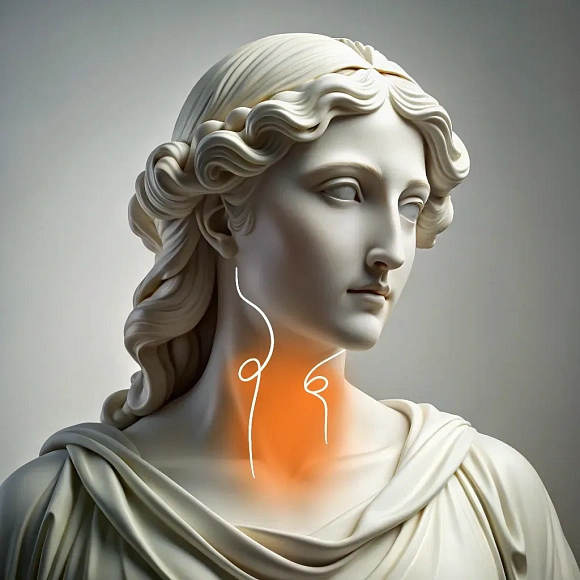
Adenoids and palatine tonsils are part of the lymphoepithelial nasopharyngeal ring. In some cases, they may increase in volume, which leads to impaired nasal breathing, snoring, obstructive sleep apnea syndrome and hearing loss.
Before adenotonsillotomy, it is necessary to consult with an otorhinolaryngologist and an anesthesiologist Perform general blood and urine tests Undergo electrocardiography
The procedure is performed under general anesthesia. The doctor inserts an endoscope through the patient's nasal passage to examine the adenoid tissue. Then, using an adenotome, the doctor completely removes the adenoids and partially removes the tonsils, avoiding damage to the surrounding tissues. The duration of the procedure is usually less than an hour.
To perform an adenotonsillotomy, the following methods are used: Endoscope for visualization Surgical instruments (scalpels, forceps, coagulators) Anesthetic equipment Equipment for stopping bleeding (electrocoagulants, solutions)
After the procedure, the patient spends 1-2 days in the hospital for observation. In the early days, it is recommended to follow a mild diet, avoid physical activity and regularly visit a doctor to monitor the condition. It is important to follow the doctor's recommendations regarding diet, medication and wound care. The patient may be prescribed antibiotics and analgesics.
Benefits
Minimal invasiveness
The operation is characterized by a low level of injury.
Prevention of respiratory infections
Reducing the size of tonsils and adenoids can reduce the risk of respiratory infections.
Individual approach
Each procedure is adapted to the specific needs of the patient.
Shortened recovery period
Patients usually recover quickly after the procedure.
Preparation for endoscopic adenotonsillotomy
The patient should consult with an otolaryngologist and undergo electrocardiography. A few hours before the operation, it is necessary to stop eating and drinking liquids.
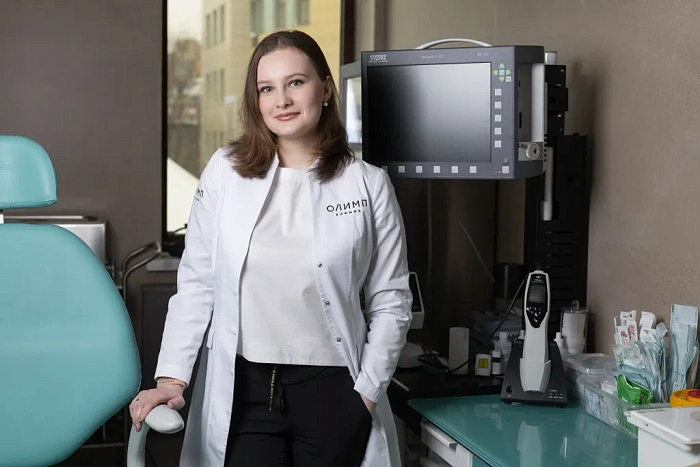
Endoscopic adenotonsillotomy surgery
The operation is performed under general anesthesia. The doctor inserts an endoscope through the patient's nasal passage to examine the adenoid tissue. Then, using an adenotome, the doctor completely removes the adenoids and partially removes the tonsils, avoiding damage to the surrounding tissues. The duration of the operation is usually less than an hour.
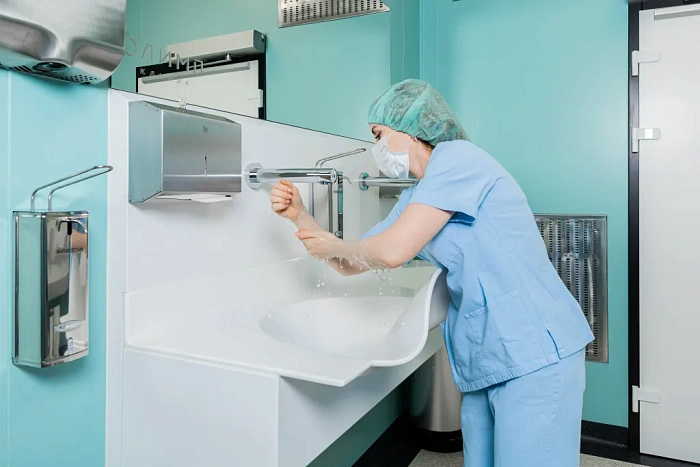
Recommendations after endoscopic adenotonsillotomy
After surgery, it is important to follow the doctor's recommendations regarding diet, medication and wound care. The patient may be prescribed antibiotics and analgesics.
Врачи
Смотреть всех врачейExpected effect
Elimination of hypertrophied adenoids
Removal of excess tissue in the back of the nasopharynx.
Improved breathing
Reducing the size of tonsils and adenoids contributes to better airway patency
Reducing the incidence of respiratory diseases
Patients are less likely to develop colds due to improved drainage and ventilation of the respiratory tract.
Reducing the risk of infections
Reducing the breeding ground for bacteria and viruses, which reduces the likelihood of recurrence of upper and lower respiratory tract infections.
Similar referral activities
Anemia of the nasal cavity
Medical manipulation aimed at reducing blood flow in the nasal mucosa to reduce swelling and facilitate breathing.
Administration of drugs into the nasal cavity
One of the treatment methods that allows direct delivery of medicinal substances into the nasal cavity to combat infections, inflammation, allergies and other diseases of the nose and nasopharynx.
Opening of purulent formations
A procedure to ensure drainage of the infected area to alleviate symptoms and prevent the spread of infection.
Coagulation of vessels of the Kisselbach zone
A highly effective medical procedure designed to treat chronic nosebleeds caused by vascular damage in this area.
Consultation of Otorinolaryngologist
Прием ЛОР-врача, направленный на диагностику, лечение и профилактику заболеваний уха, горла и носа.
Complex treatment of patients with polypose rhinosinusitis
Are you experiencing ear, throat or nose issues? We understand how important it is to hear, breathe and speak properly, so we offer the latest diagnostics and treatment methods.
How to reach


- Route from the «Sukharevskaya» metro station
- Route from the «Tsvetnoy Boulevard» metro station
From the metro station "Tsvetnoy Bulvar"
1 exit to the city, then left to the Garden Ring, at the crossing to the right, crossing the boulevard, one more crossing and at the traffic light to the left. The Olymp Clinic building is located overlooking the Garden Ring to the right of the crossing. Travel time is approximately 9 minutes. Landmark - sign Olymp Clini
From the metro station "Sukharevskaya"
Exit 3 from the metro and 640 meters straight ahead, the clinic will be on the right. Landmark - sign Olymp Clinic
Parking lot map
Exit 3 from the metro and 640 meters straight ahead, the clinic will be on the right. Landmark - sign Olymp Clinic