

Coagulation of vessels of the Kisselbach zone
A highly effective medical procedure designed to treat chronic nosebleeds caused by vascular damage in this area.
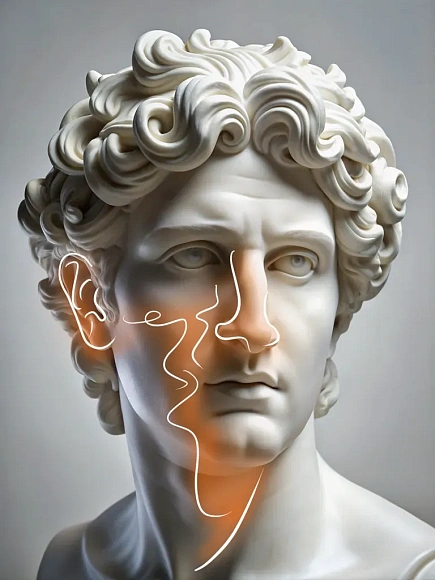
The Kisselbach zone is an area in the anterior part of the nasal septum where blood vessels are located close to the surface of the mucous membrane and, therefore, are more likely to be injured.
Benefits
A quick and painless procedure
Coagulation takes a short amount of time and is performed without pain for the patient.
Long-term result
The effect of the procedure lasts for a long time, significantly reducing the risk of repeated bleeding.
No need for hospitalization
The procedure is performed on an outpatient basis, which allows the patient to return to normal life immediately after its completion.
High efficiency
Coagulation of the vessels of the Kisselbach zone is one of the most effective methods of treating nosebleeds.
Preparation for coagulation of vessels of the Kisselbach zone
The patient undergoes a consultation with an otorhinolaryngologist, at which the doctor examines and evaluates the condition of the vessels in the Kisselbach area. Additional studies may be prescribed, such as nasal endoscopy, for accurate diagnosis and treatment planning, and a study of the parameters of the blood coagulation system to exclude its pathology.

The procedure is coagulation of the vessels of the Kisselbach zone
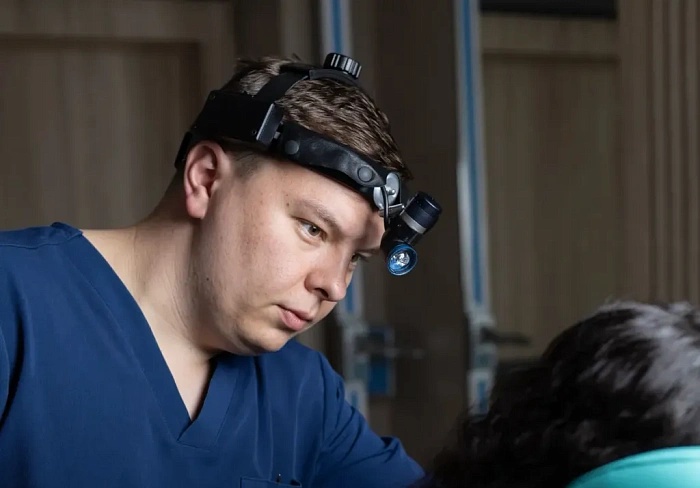
Vascular coagulation of the Kisselbach zone is usually performed on an outpatient basis under local anesthesia. The doctor uses a coagulator to use electric current or laser radiation to "solder" damaged vessels, stopping bleeding and promoting their healing.
Recommendations after coagulation of the vessels of the Kisselbach zone
It is important to follow the doctor's recommendations for the care of the nasal cavity, avoid injury to the nose and maintain an optimal level of humidity in the room to accelerate the healing process.
Врачи
Смотреть всех врачейIndications and contraindications
Indications
Chronic nosebleeds
Especially those that are associated with vascular damage in the Kisselbach area.
Vascular wall weakness
A condition in which blood vessels are easily injured and bleed.
Ineffectiveness of conservative treatment
When medical treatment does not bring the desired effect.
Expected effect
Stopping nosebleeds
The procedure immediately stops the bleeding by acting directly on the source of the problem.
Restoration of vascular integrity
Coagulation promotes healing and repair of damaged vessels, preventing future bleeding.
Improving the quality of life
Eliminating the problem of chronic nosebleeds significantly increases the comfort of the patient's life.
Minimal risk of complications
Due to the targeted effect on damaged vessels, the risk of complications after the procedure is minimal.
Similar referral activities
Anemia of the nasal cavity
Medical manipulation aimed at reducing blood flow in the nasal mucosa to reduce swelling and facilitate breathing.
Administration of drugs into the nasal cavity
One of the treatment methods that allows direct delivery of medicinal substances into the nasal cavity to combat infections, inflammation, allergies and other diseases of the nose and nasopharynx.
Opening of purulent formations
A procedure to ensure drainage of the infected area to alleviate symptoms and prevent the spread of infection.
Consultation of Otorinolaryngologist
Прием ЛОР-врача, направленный на диагностику, лечение и профилактику заболеваний уха, горла и носа.
Complex treatment of patients with polypose rhinosinusitis
Are you experiencing ear, throat or nose issues? We understand how important it is to hear, breathe and speak properly, so we offer the latest diagnostics and treatment methods.
Anterior and posterior nasal cavity tamponade
Procedures to stop incessant nosebleeds. Anterior tamponade is used for bleeding from the front of the nose, and posterior tamponade is used for bleeding from the back of the nasal cavity.
How to reach


- Route from the «Sukharevskaya» metro station
- Route from the «Tsvetnoy Boulevard» metro station
From the metro station "Tsvetnoy Bulvar"
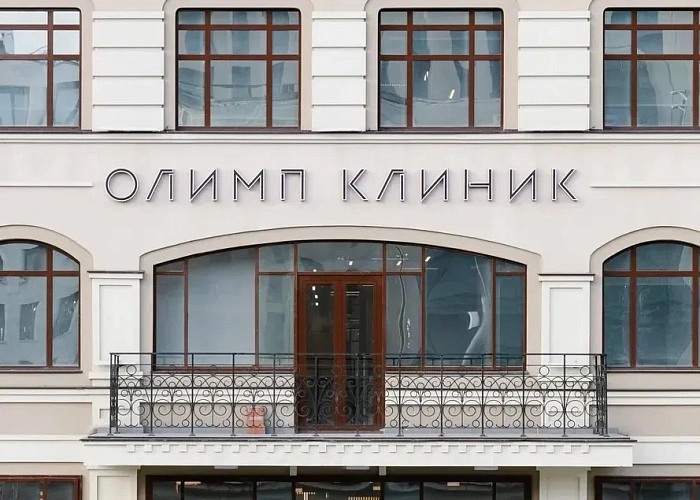
1 exit to the city, then left to the Garden Ring, at the crossing to the right, crossing the boulevard, one more crossing and at the traffic light to the left. The Olymp Clinic building is located overlooking the Garden Ring to the right of the crossing. Travel time is approximately 9 minutes. Landmark - sign Olymp Clini
From the metro station "Sukharevskaya"
Exit 3 from the metro and 640 meters straight ahead, the clinic will be on the right. Landmark - sign Olymp Clinic
Parking lot map
Exit 3 from the metro and 640 meters straight ahead, the clinic will be on the right. Landmark - sign Olymp Clinic