

Treatment of uterine fibroids
Uterine fibroids can cause unpleasant symptoms, as well as reduce fertility. Modern treatment methods make it possible to remove fibroids, preserving the uterus and reproductive function,
The risk of developing uterine fibroids during life is about 80%, and most often it occurs in women aged 30 to 50 years, during the middle reproductive age.
Fibroids can be accompanied by copious and painful menstruation, pelvic pain, frequent urination and fertility problems. Fibroids rarely turn into sarcoma, a malignant tumor. We offer modern methods of treatment of uterine fibroids, which avoid complete removal of the organ. Laparoscopy and hysteroresectoscopy are minimally invasive interventions aimed at removing myomatous nodes with minimal damage to surrounding tissues.
For surgical treatment of uterine fibroids are used: Laparoscope and hysteroresectoscope with video camera Surgical instruments (scalpels, forceps, coagulators)
Before surgical treatment of uterine fibroids, it is necessary to: Consult with a gynecologist and a surgeon Perform general blood and urine tests Perform an ultrasound examination (ultrasound) or magnetic resonance imaging (MRI) to assess the condition of the myometrium Perform a diagnostic hysteroscopy
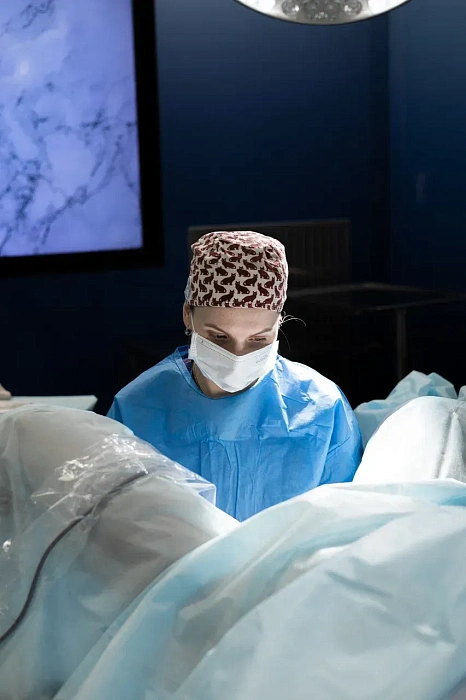
Surgical treatment of uterine fibroids is performed using anesthesia. Laparoscopy allows access to myomatous nodes through small punctures on the anterior wall of the abdomen. Using a laparoscope, a thin instrument with a video camera, the surgeon finds and removes myomatous nodes under visual control. This allows you to save the organ and reduce the risk of recurrence of fibroids. Hysteroresectoscopy is used to remove fibroids located inside the uterine cavity. The doctor inserts a hysteroresectoscope through the vagina into the uterine cavity and removes myomatous nodes without damaging the integrity of the uterus. This procedure avoids scarring of the endometrium and preserves the ability to conceive.
After surgical treatment of uterine fibroids, it is important to follow the doctor's recommendations for successful recovery. During 4-6 weeks, it is necessary to refrain from intense physical exertion, avoid visiting the sauna, steam room and solarium, and also avoid hypothermia.
Preparation for organ-preserving treatment of uterine fibroids
During the consultation, the gynecologist-surgeon examines the patient. A comprehensive diagnosis is prescribed: blood and urine tests, a vaginal swab for bakposev. Ultrasound of the pelvic organs and diagnostic hysteroscopy are also performed. Based on the data obtained, the doctor selects the type of operation and determines the time of its implementation. Usually minimally invasive surgery is performed in the first half of the menstrual cycle.

Surgery Surgical treatment of uterine fibroids
Surgical treatment of uterine fibroids is performed using spinal or general anesthesia. Laparoscopy gives access to the foci of fibroids through micro-punctures on the anterior wall of the abdomen. With the help of a laparoscope, a gynecological surgeon finds a tumor and removes myomatous nodes under visual control. Hysteroresectoscopy is performed using a hysteroresectoscope, which is inserted into the uterine cavity through the vagina. The doctor carefully examines the organ, studying the localization, size and shape of the altered tissues, while preserving the uterus.
Rehabilitation after organ-preserving treatment for uterine fibroids
After treatment, it is important to follow the prescriptions and recommendations of a gynecologist. It is necessary to temporarily refrain from visiting the sauna, bathhouse, solarium, avoid hypothermia, control menstruation and note the soreness of secretions. Usually, the next step after minimally invasive surgery is conservative treatment in order to prevent recurrence of the disease.

Frequently Asked Questions
How long does the effect last after treatment?
What are the alternative treatments for fibroids?
How long is the recovery period?
Didn't find an answer to your question?
You can describe your problem in detail and ask a question to the doctor. He will answer you and help you find a solution
Врачи
Смотреть всех врачей
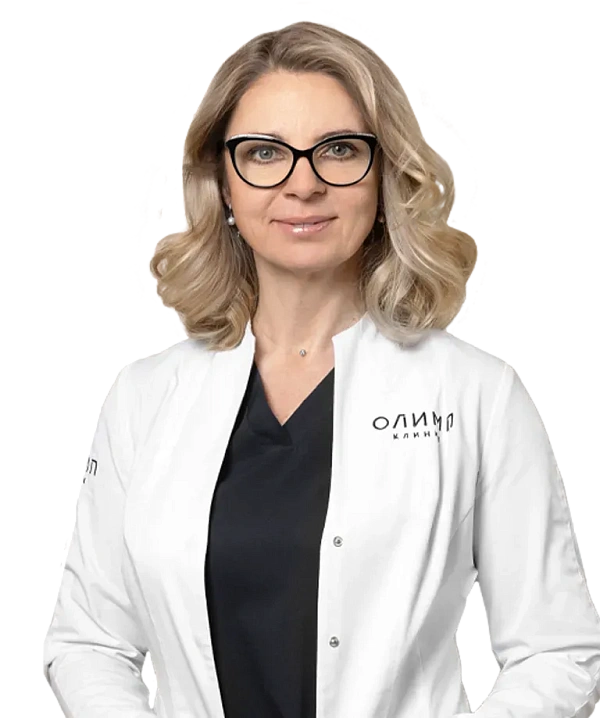
Doctor of the highest category, surgical obstetrician-gynaecologist specialising in anti-age and bioregenerative medicine, oncologist
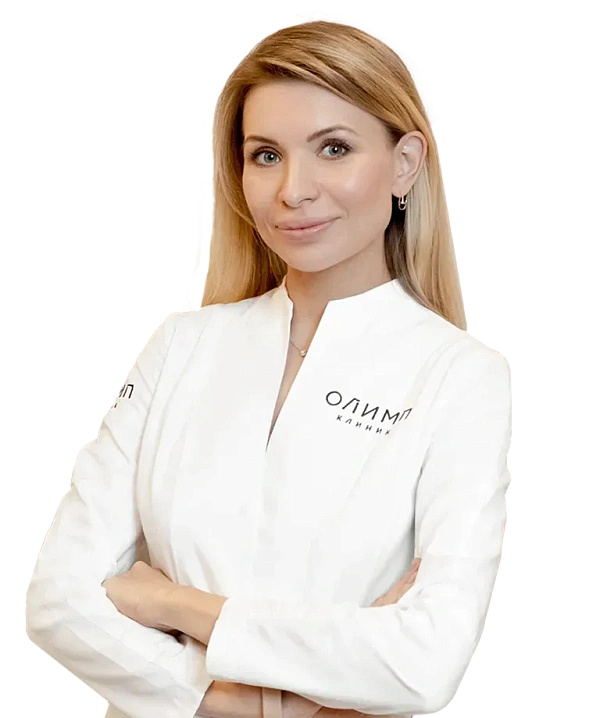
Gynecologist, endoscopic surgeon. Head of the gynecology department.
Indications and contraindications
Indications
Symptomatic fibroids with pain syndrome, cervical localization of the myomatous node
The appearance of a benign tumor in the cervix
Pain in the lower abdomen, copious prolonged menstruation
Uncomfortable sensations during menstruation
Large tumor size
Fibroids, larger in size than a 12-week pregnant uterus
The presence of a submucous node
Benign formation under the uterine mucosa
The presence of a subserous fibroid node on the pedicle
A subserous node connected to the body of the uterus by a pedicle
Infertility, habitual miscarriage
Inability to conceive and bear a child at childbearing age
Expected effect
Reduction of symptoms
Reducing pain and normalizing the menstrual cycle contribute to improving overall well-being.
Preservation of reproductive function
Treatment allows you to save the uterus and, therefore, the possibility of pregnancy in the future.
Getting rid of fibroids
The goal of treatment is the complete disappearance of the tumor.
Prevention of relapses
The use of modern treatment methods is aimed at minimizing the risk of recurrence of fibroids.
Similar referral activities
Consultation of a gynecologist
Medical examination aimed at diagnosing, treating and preventing diseases of the female reproductive system.
Removal of tumors in the intimate area
A procedure aimed at eliminating benign growths such as papillomas, warts, cysts and genital warts.
Reproductive surgery
Surgical treatment and simultaneous accurate diagnosis of female infertility factors: adhesions, endometriosis, congenital malformations of the genital organs, obstruction of the fallopian tubes, intrauterine pathology (septum and synechia), polycystic ovary syndrome.
Cervical plastic surgery
Cervical plastic surgery (tracheloplasty) is a surgical restoration of the anatomical structure and function of the cervix, which helps to maintain the health of the reproductive system.
Treatment of vulvar diseases
Vulvar diseases, including chronic fissures, sclerotrophic lichen and other dermatological conditions. We offer modern and effective treatment methods aimed at reducing symptoms and restoring the normal condition of the vulva skin.
Correction of menopause problems
The onset of menopause is often accompanied by a number of physical and mental manifestations unpleasant for a woman. The gynecologist will choose therapy, which can relieve or completely eliminate the symptoms.
How to reach


- Route from the «Sukharevskaya» metro station
- Route from the «Tsvetnoy Boulevard» metro station
From the metro station "Tsvetnoy Bulvar"
1 exit to the city, then left to the Garden Ring, at the crossing to the right, crossing the boulevard, one more crossing and at the traffic light to the left. The Olymp Clinic building is located overlooking the Garden Ring to the right of the crossing. Travel time is approximately 9 minutes. Landmark - sign Olymp Clini
From the metro station "Sukharevskaya"
Exit 3 from the metro and 640 meters straight ahead, the clinic will be on the right. Landmark - sign Olymp Clinic
Parking lot map
Exit 3 from the metro and 640 meters straight ahead, the clinic will be on the right. Landmark - sign Olymp Clinic