

Reproductive surgery
Surgical treatment and simultaneous accurate diagnosis of female infertility factors: adhesions, endometriosis, congenital malformations of the genital organs, obstruction of the fallopian tubes, intrauterine pathology (septum and synechia), polycystic ovary syndrome.

Infertility can be caused by various factors, such as inflammatory diseases of the pelvic organs, endometriosis, congenital anomalies of the genital organs, obstruction of the fallopian tubes, polycystic ovary syndrome, benign tumors of the uterus and ovaries.
Reproductive surgery allows you to accurately determine the cause of infertility, eliminate obstacles to pregnancy and restore normal anatomy and organ function. To do this, minimally invasive methods such as laparoscopy and hysteroscopy (hysteroresectoscopy) are used, which help to diagnose and treat at the same time. According to research, surgical treatment of endometriosis can improve fertility in 50-60% of women of reproductive age.
Ultrasound of the pelvic organs to assess the condition of the uterus, tubes and ovaries. Assessment of the patency of the fallopian tubes General blood test, coagulogram, biochemical blood test. Hormonal analysis to identify endocrine disorders affecting fertility. Consultation with a gynecologist and, if necessary, an endocrinologist to develop a treatment plan.
Reproductive surgery includes various types of interventions depending on the identified problems. And although therapeutic and diagnostic laparoscopy for infertility is the “gold standard” of treatment, the surgery plan is individual for each patient. The operations are performed using the latest high-resolution endoscopic equipment. A simultaneous combination of hysteroscopy (hysteroresectoscopy) and various modifications of laparoscopic operations is possible.
Laparoscopic instruments for minimally invasive surgery. Hysteroscopes and hysteroresectoscopes for the diagnosis and treatment of intrauterine pathologies. Electrosurgical systems for gentle and low-traumatic work on organs. Anti-adhesive barriers (gels and meshes) to prevent adhesion formation.
After reproductive surgery, the recovery period takes about 1-2 weeks. During this time, the patient is advised to avoid physical exertion and sexual intercourse. The final recovery may take up to 4-6 weeks, depending on the extent of the intervention. It is important to follow the doctor's recommendations, take prescribed medications and regularly visit a gynecologist to monitor the condition.
Benefits
Fertility recovery
Surgical interventions can increase the chances of a successful pregnancy.
Reducing chronic pain
Operations to remove endometriosis foci and adhesions alleviate the symptoms of chronic pelvic pain and painful menstruation.
Minimally invasive methods
Laparoscopy and hysteroscopy provide minimal intervention, reducing recovery time.
Correction of congenital anomalies
Reproductive surgery allows you to correct congenital abnormalities of the uterus and other genital organs, restoring their normal function.
Frequently Asked Questions
How does reproductive surgery help with endometriosis?
Is it possible to restore the patency of the fallopian tubes?
Didn't find an answer to your question?
You can describe your problem in detail and ask a question to the doctor. He will answer you and help you find a solution
Врачи
Смотреть всех врачей
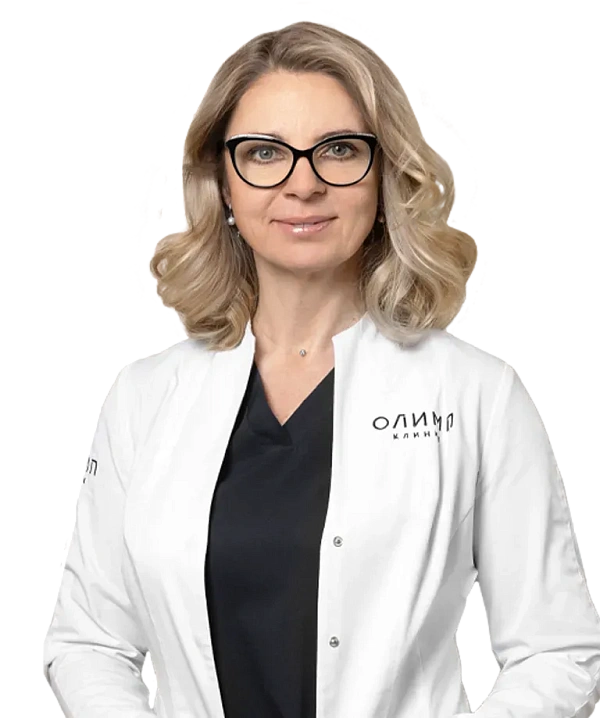
Doctor of the highest category, surgical obstetrician-gynaecologist specialising in anti-age and bioregenerative medicine, oncologist
Similar referral activities
Consultation of a gynecologist
Medical examination aimed at diagnosing, treating and preventing diseases of the female reproductive system.
Removal of tumors in the intimate area
A procedure aimed at eliminating benign growths such as papillomas, warts, cysts and genital warts.
Cervical plastic surgery
Cervical plastic surgery (tracheloplasty) is a surgical restoration of the anatomical structure and function of the cervix, which helps to maintain the health of the reproductive system.
Treatment of vulvar diseases
Vulvar diseases, including chronic fissures, sclerotrophic lichen and other dermatological conditions. We offer modern and effective treatment methods aimed at reducing symptoms and restoring the normal condition of the vulva skin.
Correction of menopause problems
The onset of menopause is often accompanied by a number of physical and mental manifestations unpleasant for a woman. The gynecologist will choose therapy, which can relieve or completely eliminate the symptoms.
PRP-therapy with plasma in gynecology
Plasma therapy helps to eliminate dryness, atrophy of the vaginal mucosa by activating cell regeneration, collagen synthesis, and attraction of intercellular fluid.
How to reach


- Route from the «Sukharevskaya» metro station
- Route from the «Tsvetnoy Boulevard» metro station
From the metro station "Tsvetnoy Bulvar"
1 exit to the city, then left to the Garden Ring, at the crossing to the right, crossing the boulevard, one more crossing and at the traffic light to the left. The Olymp Clinic building is located overlooking the Garden Ring to the right of the crossing. Travel time is approximately 9 minutes. Landmark - sign Olymp Clini
From the metro station "Sukharevskaya"
Exit 3 from the metro and 640 meters straight ahead, the clinic will be on the right. Landmark - sign Olymp Clinic
Parking lot map
Exit 3 from the metro and 640 meters straight ahead, the clinic will be on the right. Landmark - sign Olymp Clinic