

Physical therapy
A rehabilitation method based on the performance of complexes of physical exercises that help restore body functions, strengthen health and prevent the development of complications.
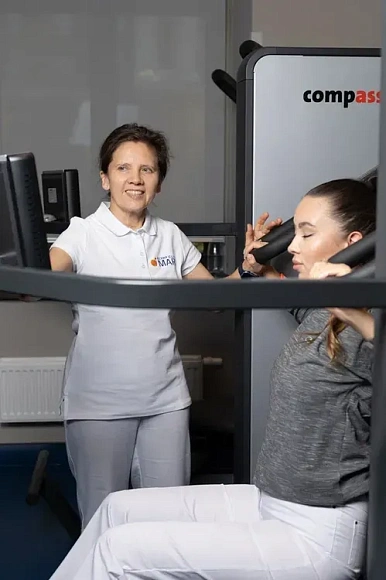
Physical therapy is used in the treatment and rehabilitation of patients with various diseases of the musculoskeletal system, therapeutic, neurological and cardiological profiles.
Physical education helps to improve blood circulation, normalize metabolism, increase muscle tone and accelerate recovery from injuries or illnesses. This is one of the few methods that affects the body systemically, activating its internal reserves. For patients with diseases of the musculoskeletal system, exercise therapy helps in restoring joint mobility, strengthening ligaments and muscles. It also helps to form proper posture and eliminate pain. In cardiology and pulmonology, exercise therapy is used to improve the functioning of the heart and lungs. Breathing exercises and dosed physical activity contribute to the saturation of tissues with oxygen, normalization of blood pressure and strengthening of blood vessels. In neurological pathologies, exercises help to restore coordination of movements and improve muscle tone.
Before starting physical therapy, the patient must go through the following steps: Consultation of the attending physician with a clinical examination. It is possible to perform instrumental research methods, including radiography, MRI or CT (for diseases of the musculoskeletal system). Blood and urine tests if necessary. Tests of endurance and physical abilities. Drawing up an individual lesson plan.
Classes are held under the supervision of an instructor or a physical therapy doctor. At the beginning, a warm-up is performed, which may include breathing exercises, light walking, exercise on an exercise bike or dynamic stretching exercises that help warm up the muscles and activate blood circulation. Next, the patient performs exercises aimed at solving specific tasks: strengthening muscles, improving coordination, restoring joint mobility. At this stage, sports equipment, simulators and auxiliary devices can be used.
Proxomed Compass and Kardiomed simulators for assessment, testing and restoration of the functions of the cardiovascular system and musculoskeletal system. Anti—gravity treadmill Alter G - reduces stress on joints by up to 80%, ideal for recovery from injuries and operations. Walker View TecnoBody treadmill is equipped with sensors for analyzing movements and dynamically monitoring progress. The Biodex Balance system is for the diagnosis and treatment of balance disorders. HUBER 360 is an innovative system for neuromuscular diagnostics and precise work with muscle groups.
Versatility— It is suitable for patients of any age and health condition. Safety— It is performed under the supervision of a specialist, which minimizes the risk of complications. Complex impact— Strengthens muscles, improves blood circulation, normalizes the work of internal organs. Individual approach— The lesson plan is drawn up taking into account the diagnosis, functional status and physical fitness of the patient.
Why practice physical therapy?
Physical therapy helps to recover with benefits for the whole body. After classes, you begin to move more confidently, stop feeling pain and tension in your body. It becomes easier to perform habitual activities, whether it's walking, working or resting. Internal changes are also noticeable: blood circulation improves, breathing normalizes, muscles become stronger, and joints become more mobile.
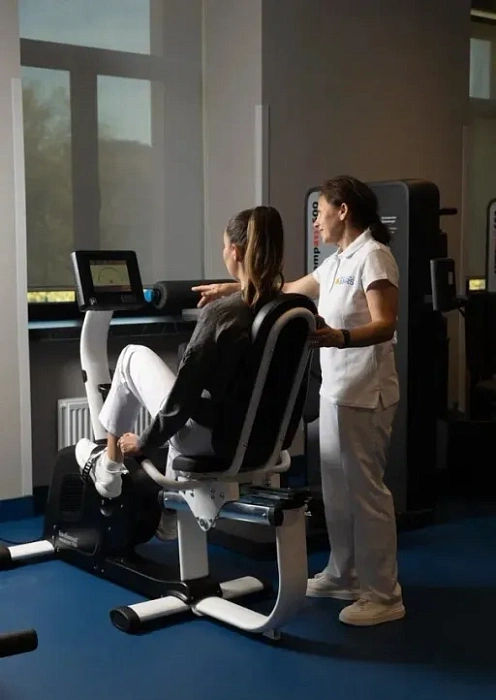
Who will work with you?
Your recovery is in the hands of specialists who know everything about physical therapy. Whether it's recovering from surgery or working on chronic diseases, our specialists create a program that is right for you. Classes are conducted under supervision so that each stage is as safe and effective as possible.
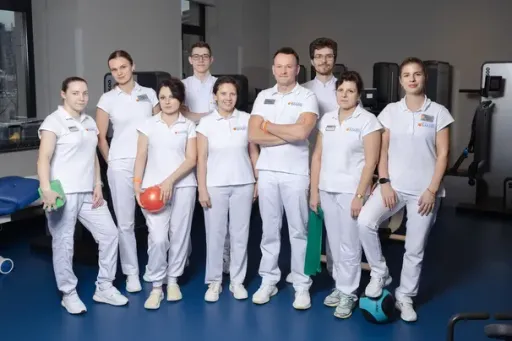
Врачи
Смотреть всех врачейHow to reach


- Route from the «Sukharevskaya» metro station
- Route from the «Tsvetnoy Boulevard» metro station
From the metro station "Tsvetnoy Bulvar"
1 exit to the city, then left to the Garden Ring, at the crossing to the right, crossing the boulevard, one more crossing and at the traffic light to the left. The Olymp Clinic building is located overlooking the Garden Ring to the right of the crossing. Travel time is approximately 9 minutes. Landmark - sign Olymp Clini
From the metro station "Sukharevskaya"
Exit 3 from the metro and 640 meters straight ahead, the clinic will be on the right. Landmark - sign Olymp Clinic
Parking lot map
Exit 3 from the metro and 640 meters straight ahead, the clinic will be on the right. Landmark - sign Olymp Clinic